

You wake up at 6:40, your throat feels scratchy, and you spend the next ten minutes mentally scanning the past week for the moment you slipped up. Was it the flight? The office? The night you slept five hours? Here's the thing I've learned the hard way: your immune system does not care about that one bad night. It cares about what you do most days. That's the whole game.
I spent an embarrassing amount of money on supplements before I understood this. Elderberry gummies, zinc lozenges, a mushroom blend that tasted like wet cardboard. Then I got sick three times in one winter anyway. The problem wasn't what I was adding. It was what I was skipping: sleep, daylight, movement, and actual food. So let's talk about how to naturally boost your immune system through daily habits that don't require a supplement aisle.
One thing to clear up first. You can't "boost" your immune system into overdrive, and you don't want to. An immune system running hot is what gives you allergies and autoimmune trouble. What you want is an immune system that responds fast and then stands down. The daily habits below do exactly that.
Key Takeaways
- Sleep is the single highest-leverage habit. Below roughly six hours a night, your immune response measurably weakens.
- Consistency beats intensity. A 20-minute walk every day outperforms one brutal gym session on Saturday.
- Chronic stress quietly suppresses immune function. Managing it is not a soft suggestion, it's a mechanism.
- Food matters more than pills. Colorful plants, fermented foods, and adequate protein do the heavy lifting.
- Nothing works in 24 hours. Anyone promising otherwise is selling something.
- A strong immune system looks boring: you get mildly sick, briefly, and recover.
Daily habits that naturally strengthen your immune system
Most advice on this topic is a list of foods. That's fine as far as it goes, but it misses the bigger picture: your immune system is regulated by your whole body's state, not by a single nutrient. Sleep, stress hormones, blood sugar, body temperature, movement — all of it feeds back into how well your defenses work.
What can I do every day to boost my immune system?
Anchor four things to your existing routine, because new habits attached to nothing tend to collapse within two weeks. Sleep seven to nine hours on a consistent schedule, including weekends. Move your body for at least 20 to 30 minutes. Eat something fermented and something colorful. Get outside in daylight within an hour of waking.
That's it. No powders required.
The daylight point deserves a mention because people skip it. Morning light sets your circadian rhythm, which in turn controls when your body releases the hormones that govern immune cell activity. Scroll your phone in a dark kitchen for an hour instead, and you've quietly told your body it's still night.
Sleep: the habit everyone underestimates
I used to treat sleep as the leftover hours in my day. Work, gym, dinner, whatever remained went to bed. Then I tracked it for two months and noticed a pattern I couldn't argue with: every stretch where I slept under six hours ended with me catching whatever was going around.
Short sleep does two things at once. It reduces the number of circulating immune cells your body has ready to fight, and it raises inflammatory markers, which sounds aggressive but actually means your system is chronically irritated rather than sharp. You end up both slower to respond and noisier in the meantime.
- Fixed wake time — more important than a fixed bedtime. Your rhythm resets from the morning, not the evening.
- Cool, dark room — core body temperature has to drop for deep sleep to happen.
- No caffeine after early afternoon — its half-life is longer than most people assume.
- Alcohol — it knocks you out fast and then fragments the second half of your night.
Signs your immune system is already strong
Here's a question I get a lot, and I understand why: people want a scoreboard. But there is no blood test you can order at home that says "immune system: 8/10." What you have instead are behavioral signals.
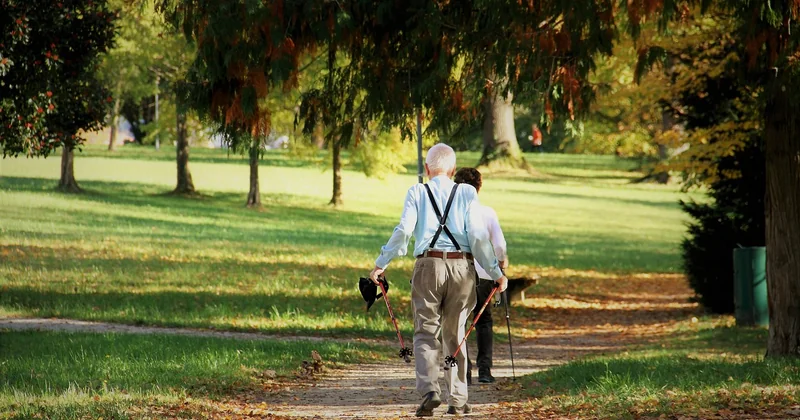
What are 5 signs of a strong immune system?
First, you get sick a few times a year and recover within a week or so. Second, when a cold hits, it stays in your nose and throat instead of flattening you for ten days. Third, your energy is stable across the day rather than collapsing mid-afternoon. Fourth, small cuts and scrapes heal at a normal pace. Fifth, your digestion is predictable — a large share of your immune tissue sits in your gut, so chronic bloating or irregularity is worth paying attention to.
Notice what's missing from that list: never getting sick. Adults catch a handful of mild infections in a normal year, and that's not failure. It's your system doing its job and building memory. Someone who claims they haven't been sick in five years is either very lucky, misremembering, or living alone in a cabin.
When to actually worry
If you're catching infections back to back, if a routine cold turns into bronchitis or a sinus infection every time, or if you're constantly exhausted alongside it, that's a conversation for a doctor rather than a blog. Frequent infections can point to something else going on, and no amount of ginger tea fixes it.
How to increase immune function naturally
Food is where most people start, and it's a reasonable place to start. But the framing matters. You're not looking for a superfood. You're looking for a pattern of eating that keeps your gut bacteria diverse and your nutrient intake adequate.
What to eat, and why
Fermented foods — yogurt with live cultures, kefir, sauerkraut, kimchi, miso — feed the bacterial population in your gut that trains your immune cells from birth. Fiber from vegetables, beans, and whole grains does the same thing from a different angle. Then there's the micronutrient side: vitamin C from citrus and peppers, vitamin D from fatty fish and eggs (and sun), zinc from meat, shellfish, and seeds.
Protein deserves its own line. Antibodies are proteins. If you're under-eating protein, you're short on raw material.
| Habit | What it does for immunity | Realistic daily target |
|---|---|---|
| Sleep | Restores circulating immune cells, lowers chronic inflammation | 7–9 hours, same wake time |
| Moderate movement | Improves immune cell circulation and surveillance | 20–30 minutes, most days |
| Fermented + fibrous food | Feeds gut bacteria that train immune response | 1 fermented serving, several plant types |
| Stress management | Reduces cortisol-driven suppression of immune activity | 10 minutes of real downshift |
| Sunlight | Supports vitamin D and circadian timing | 10–20 minutes, morning |
What about the morning drink?
Warm water with lemon, ginger, honey, turmeric — I've tried all of them. They're pleasant. They also won't do much on their own. If you're dehydrated, plain water helps more than any infused version, because hydration matters for the mucus membranes that physically trap pathogens before they get anywhere.
Two honest caveats. Honey is still sugar and shouldn't go into a child under one year old. And turmeric's active compound absorbs poorly on its own, so the "golden latte" trend is mostly a nice ritual rather than a treatment.
Seven ways to boost immune function that actually hold up
I'm listing seven here rather than the usual five or ten because these are the ones I've seen work, in myself and in people around me, without any supplement marketing attached.

What are 7 ways to boost your immune system?
- Protect your sleep window. Treat the last hour before bed as non-negotiable downtime, not bonus productivity.
- Walk daily. Thirty minutes at a brisk pace is enough. More isn't always better — very heavy training loads temporarily depress immune function.
- Eat plants of many colors. Different pigments come with different micronutrients, and variety feeds a broader range of gut bacteria.
- Manage stress deliberately. Breathing exercises, a walk without your phone, time with people you like. Pick one and actually do it.
- Don't smoke, and keep alcohol low. Both directly impair the tissues and cells that defend your airways.
- Wash your hands properly. Twenty seconds, soap, including the backs and between fingers. Unglamorous and extremely effective.
- Keep vaccinations current. This is the closest thing to a genuine immune upgrade that exists.
The last two items on that list get ignored because they aren't fun. That's a mistake. Hand hygiene and vaccination prevent more illness than every wellness product on the shelf combined.
Can you boost your immune system in 24 hours?
No. And I'd rather say that plainly than sell you hope.
What you can do in 24 hours is stop making things worse. If you're run down, get a full night's sleep, drink water, eat a real meal, and skip the intense workout. That's damage control, and it's genuinely useful when you feel something coming on. But building a stronger baseline takes weeks to months, because you're changing how your body operates, not flipping a switch.
There is one exception worth knowing: hydration and rest can meaningfully change how a mild illness unfolds if you catch it early. That's not boosting immunity. It's giving your system the conditions to do its job.
A quick reality check on supplements
If you have a diagnosed deficiency, correcting it helps. Vitamin D is the common one in northern latitudes during winter, and it's worth a blood test rather than a guess. Beyond that, most immune supplements have weak evidence at best. I keep taking vitamin D in the darker months and nothing else, and that's a decision I'm comfortable defending.
The boring truth
After all the experimenting, the thing that changed my winters wasn't a product. It was going to bed at roughly the same time, walking most days, and eating actual vegetables. My sick days dropped from something like eight or nine a year to two or three — not because I found a secret, but because I stopped undermining my own defenses.
The question worth sitting with isn't which food boosts immunity fastest. It's this: if your body has been telling you for months that it needs more sleep and less stress, what's the daily habit you keep negotiating your way out of?


