

You open the fridge at 6:40 on a Tuesday morning, and there they are: four identical containers of chicken, rice, and broccoli, lined up like soldiers. You made them on Sunday with the best intentions. By Wednesday you'd rather eat a dry rice cake than look at them again. The week collapses. Takeout wins.
That cycle is why most meal prep fails. Not because people are lazy, but because they build their prep around containers instead of around protein density. When you make the protein the anchor of the whole operation—the number you plan around before anything else—everything shifts: you stay full on fewer calories, you hang onto muscle while cutting, and you stop dreading the fridge. That's the frame I'll give you for the best high protein meal prep for weight loss, including the math, the containers, and the parts nobody warns you about.
Key Takeaways
- Plan your prep around grams of protein per container (30–40 g), not around "healthy meals" in general.
- 150 g of protein in a day is achievable with four feedings of 35–40 g—no shakes required, though one helps.
- A "3-3-3" rhythm (three prep days, three protein sources, three meal templates) beats a heroic four-hour Sunday session.
- Fiber belongs in every prep container; protein without fiber means you'll be hungry again in two hours.
- Low-calorie protein meals fail when they taste like punishment. Season aggressively, sauce at serving time.
- Track protein first and calories second for two weeks. The scale moves slowly; your appetite moves fast.
Why protein first is the whole game for weight loss
Here's the thing most meal prep articles skip: protein does two jobs that no other macronutrient does as well. It's the most satiating macronutrient per calorie—you'll feel fuller for longer eating 400 calories of chicken and vegetables than 400 calories of pasta—and digesting it costs your body more energy than digesting carbs or fat. That second effect is real but modest, so don't build a diet around it. The satiety is what changes behavior.
The other job matters even more if you care how you look at the end. When you eat in a calorie deficit, some of the weight you lose is muscle. Adequate protein intake and resistance training are the two levers that limit that loss. I've watched people hit their goal weight and still feel flat and weak because they spent three months eating 60 g of protein a day.
How much protein do you actually need?
A common working range is 1.6 to 2.2 g per kilogram of body weight for people training to preserve muscle in a deficit. For a 75 kg person, that's roughly 120–165 g a day. If you're heavier, base the number on a goal weight or lean mass rather than your current number—otherwise the target balloons past what's realistic.
- Sedentary and just starting out: aim for 1.2–1.6 g/kg, then increase as you train.
- Lifting 3+ times a week in a deficit: 1.6–2.2 g/kg.
- Over 50 and cutting: err toward the higher end, since muscle preservation gets harder with age.
Does that feel like a lot? It is, at first. Which is exactly why meal prep—not willpower—is the right tool.
What is the best high-protein meal for weight loss?
There isn't one magic meal, and any article claiming otherwise is selling something. But there is a reliable template: a palm-sized portion of lean protein, a large volume of non-starchy vegetables, a moderate portion of a fiber-rich carb, and a fat source you can count on one hand. That structure lands most meals in the 350–500 calorie range with 35–45 g of protein.

Practically, that looks like:
| Template | Protein | Fiber carb | Volume | Approx. protein |
|---|---|---|---|---|
| Chicken + roasted veg bowl | 180 g chicken breast | 120 g cooked quinoa | Broccoli, peppers, onion | ~40 g |
| Salmon + lentils | 150 g salmon fillet | 150 g cooked lentils | Spinach, cucumber | ~35 g |
| Turkey chili | 150 g lean ground turkey | Black beans | Tomato, peppers | ~38 g |
| Tofu + edamame stir-fry | 200 g firm tofu + 80 g edamame | Brown rice (small) | Bok choy, mushrooms | ~32 g |
| Egg & cottage cheese bake | 3 eggs + 150 g cottage cheese | Whole-grain toast (1 slice) | Spinach, tomato | ~34 g |
Notice the fat sources aren't listed as a column. That's deliberate. Fat is where calorie budgets quietly blow up—a generous glug of olive oil is 120 calories before you've blinked. Weigh it once, twice, and then you'll know what a tablespoon looks like.
Why 30–40 g per meal is the sweet spot
Research on muscle protein synthesis suggests a per-meal dose somewhere in the 25–40 g range for most adults, with diminishing returns above that. Spread across three or four meals, that's your daily target handled. Below 20 g per meal and you're essentially snacking—pleasant, but not doing the job.Four feedings of 35–40 g is my go-to split, and it's the one I recommend to almost everyone who asks.
What is the 3-3-3 rule for meal prep?
The 3-3-3 rule is a rhythm, not a religion: three prep sessions per week, three protein sources, three meal templates. You're building variety and fresh food into the week without committing to a four-hour Sunday marathon that leaves you with twelve sad containers.
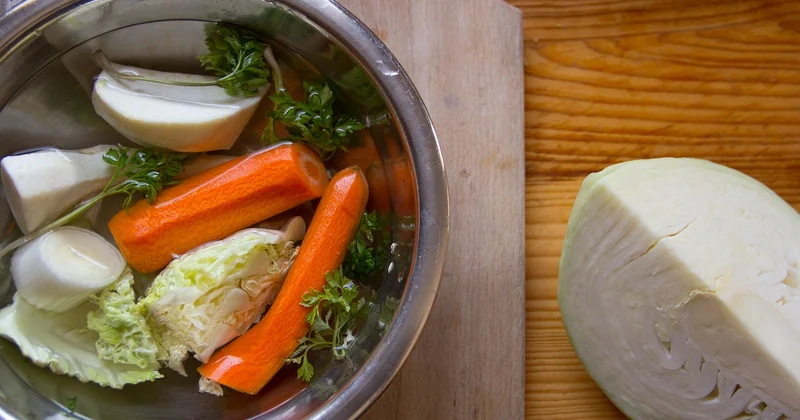
Here's how it plays out in practice:
- Prep sessions: Sunday, Wednesday, Friday. Sunday is the big one (about 90 minutes). Wednesday is a 30-minute top-up. Friday is 20 minutes to get you through the weekend.
- Protein sources: pick three for the week—say chicken, eggs, and salmon. Three sources means three flavor profiles, so Wednesday's container doesn't taste like Sunday's.
- Templates: bowl, bake, stir-fry. Rotating the format keeps texture interesting, and texture is what kills meal prep enthusiasm long before flavor does.
I'll be honest: I resisted this for months. I thought one big Sunday session was more efficient. It isn't. By day four, my containers had that certain refrigerated-flavor thing, and I'd quietly order a burrito. The mid-week top-up fixed a problem I didn't know I had.
Where the rule breaks down is if you travel for work or have unpredictable hours. In that case, drop to two sessions and lean harder on freezer-friendly batches: chili, curry, and soup all freeze beautifully and reheat without turning to mush.
Can you lose weight eating high-protein meals?
Yes—with a caveat that matters. Weight loss comes down to a calorie deficit. High-protein meals don't override that; what they do is make the deficit sustainable. You eat less without white-knuckling it because you're not hungry every ninety minutes.
I'll give you a concrete example from my own kitchen. For six weeks I ran two versions of the same week of eating: one with 70–80 g of protein a day, one with 140–150 g. Same calorie target both times (around 1,900). The low-protein week, I was snacking by 3 p.m. every single day and routinely blew through my target by 200–300 calories. The high-protein week, I finished most days slightly under. Same person, same willpower—different meals.
The scale moved about 0.4 kg per week during the high-protein stretch. The low-protein stretch was closer to flat. Anecdote, not a trial, but the pattern is consistent with everything I've seen since.
Add fiber or the whole plan wobbles
Protein and fiber are the two things that make a calorie deficit feel like a normal way to eat rather than a punishment. Aim for 25–35 g of fiber a day: lentils, black beans, edamame, berries, oats, and any vegetable you'll actually eat repeatedly. A meal with 40 g of protein and 3 g of fiber is a trap—you'll be hunting the cupboard an hour later.
How do you get 150 g of protein a day?
You do it with four feedings and a small amount of planning. Here's a day that adds up without a single chicken-and-rice container:
- Breakfast: 200 g Greek yogurt with berries and 20 g of oats — ~22 g protein.
- Lunch: turkey chili with black beans — ~38 g.
- Afternoon snack: cottage cheese with cucumber, or a protein shake if you're out — ~25 g.
- Dinner: 180 g salmon with lentils and vegetables — ~42 g.
- Evening: a boiled egg or two, or 100 g edamame — ~13–15 g.
Total: 140–142 g. Add a splash of milk in your coffee and a slightly larger yogurt portion and you're over 150. See how it works? Nothing heroic. No dry chicken breast at 9 p.m.
The leverage point is that two of those five feedings must be zero-effort—the yogurt and the snack. If every protein source requires cooking, you'll skip one on a busy day and lose 35 g without noticing.
Doing it on a budget
Cheap protein is not a mystery: eggs, cottage cheese, plain Greek yogurt (buy the big tub, not the single-serve pots), canned tuna, canned or dried lentils and beans, frozen chicken thighs, and tofu. Frozen fish fillets are often half the price of the fresh counter and identical once cooked. I buy chicken thighs instead of breast most weeks now—slightly more fat, far more forgiving when reheated, and about 30% cheaper where I shop.
A note for women, specifically
Two adjustments are worth making. First, if you're in a larger deficit or over 40, push toward the higher end of the protein range—muscle preservation is harder to come by and easier to lose. Second, if you're training hard and your cycle affects appetite (it usually does), build your prep around the week you'll actually have, not the week you planned. Higher-protein, higher-volume meals in the days before your period tend to help with the hunger spike.
Making prep that survives past Wednesday
Three things separate prep you'll eat from prep you'll throw out. Sauce goes on at serving, never in the container—dressing turns greens to slime and makes everything taste the same by day three. Under-season nothing; lean protein needs salt, acid, and heat, or it becomes exactly the bland food you're trying to escape. And cook your vegetables slightly under—they'll finish in the microwave.
Freeze one or two portions per batch. Not because you'll need them this week, but because on the week you fall off, there's a rescue meal waiting instead of a delivery app.
The real test isn't whether you can prep perfectly for seven days. It's whether your Thursday self—tired, hungry, unimpressed by the fridge—has something worth reaching for. Build for that person, not for the motivated Sunday version of you. That's the whole trick, and it takes a lot less discipline than it sounds.


